
The exchange rate for a $50 Apple gift card refers to how its value translates across different currencies or regions, but it’s important to note that this isn’t always a direct reflection of standard foreign exchange (forex) rates. Unlike regular currency, Apple gift cards are often region-locked, meaning their value is tied to the currency of the region where they were purchased. For example, a $50 gift card bought in the United States (USD) will have a specific equivalent in Euros (EUR) if redeemed in the Eurozone, but this amount may differ from the current market forex rate due to regional pricing adjustments or tax implications.
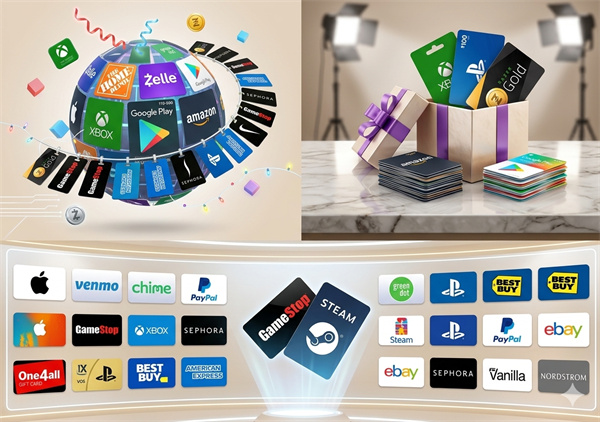
Several factors influence the effective exchange rate when dealing with a $50 Apple gift card. First, if you’re exchanging the gift card for cash via third-party platforms, these services typically apply fees (ranging from 3% to 15%) that reduce the actual amount you receive, so the rate they offer is lower than the nominal value. Second, regional availability matters: some regions may not accept gift cards from other areas, forcing users to use workarounds that come with additional costs. Third, market demand plays a role—if there’s high demand for Apple gift cards in a particular region, the exchange rate might be more favorable, but low demand could lead to a less competitive rate.
To get a fair exchange rate for your $50 Apple gift card, start by checking if it’s valid for redemption in your target region through official Apple resources. If it is, calculate the approximate value using current forex rates and subtract any local taxes or surcharges that apply to digital purchases. If you’re exchanging it for cash, compare rates across reputable platforms (avoiding unvetted peer-to-peer services to prevent scams) and read their terms carefully to understand all fees. Alternatively, consider using the gift card directly for purchases like apps, subscriptions, or device accessories—this often avoids exchange fees entirely and ensures you get the full $50 value for items you need.